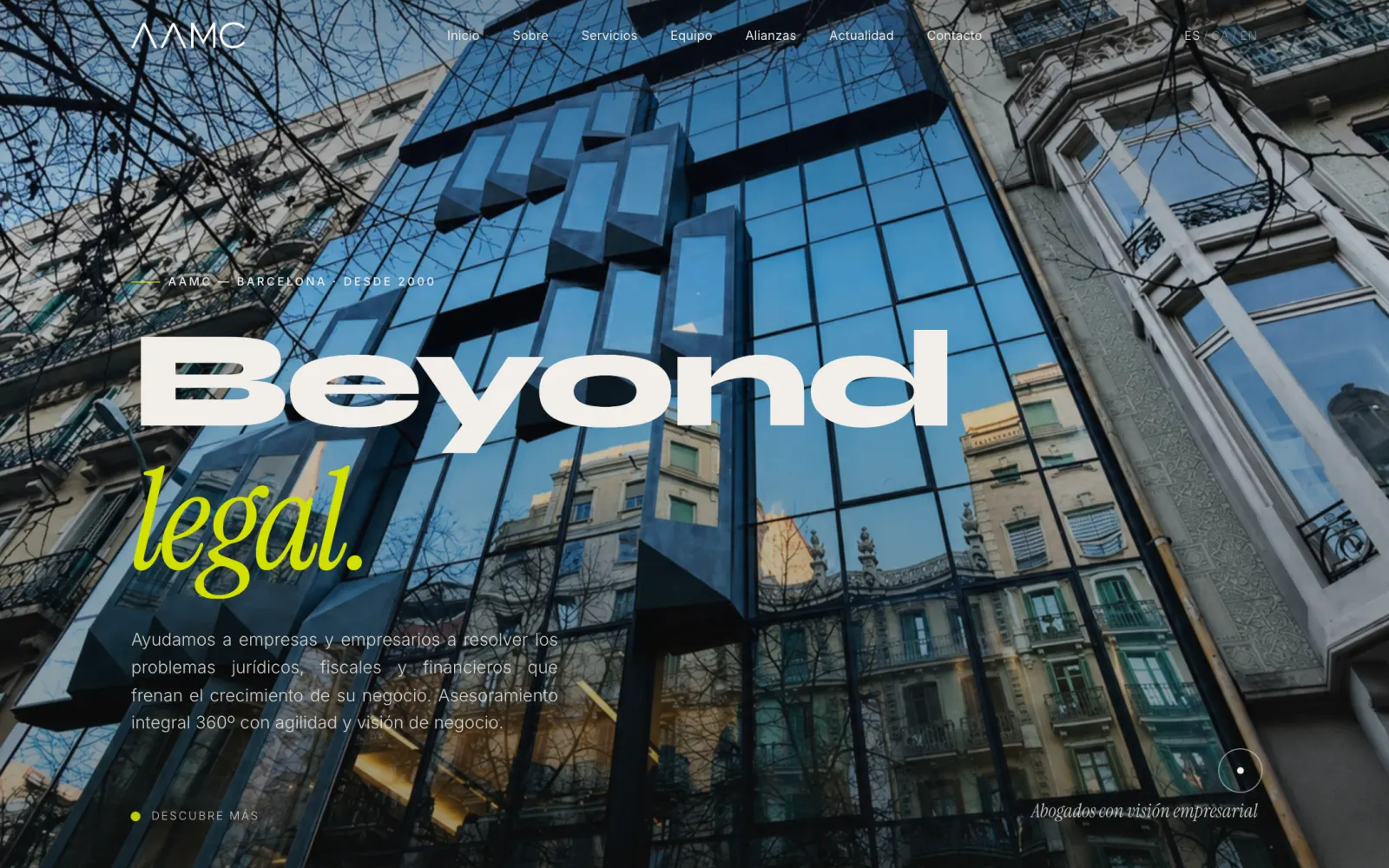
AAMC Abogados Legal services
Service
Get your business discovered through Google, ChatGPT and the next generation of AI-powered search.
People still search on Google and Bing, and they also ask ChatGPT, Gemini, Perplexity and Google’s AI features. Traditional SEO makes a site crawlable, indexable and relevant. Answer engine optimisation (AEO) and generative engine optimisation (GEO) are the newer work of making the same information clear enough to be selected as a source. They complement SEO. They do not replace it, and they do not guarantee a ranking, a citation or a recommendation.
What we deliver
Crawl, indexation, canonicals, sitemaps, robots rules, internal links and the page-experience issues that block discovery.
A map of the pages you need for real search intent, including what to merge, rewrite or leave alone.
Specific, useful copy with a direct answer near the top, written so a person or a retrieval system can lift a passage without guessing.
JSON-LD for the organisation, services, articles and FAQs you actually show. Markup does not guarantee a rich result or an AI citation.
Search Console, Bing Webmaster Tools where relevant, analytics referrals and a short log of real buyer questions. Not a proprietary AI score.
Changes ordered by what is blocking understanding, with established SEO separated from experiments such as llms.txt.
Approach
We make the important pages fetchable, indexable and internally linked before we talk about answer engines.
We look at the queries and questions that already bring the right people, and at the gaps where a page would answer a real brief.
We write or reshape pages so they are specific, attributable and worth citing. Volume is not the strategy.
We add schema that copies visible facts. Google is explicit that valid markup creates eligibility, not a guarantee.
Services, guides, locations and case studies point to each other with anchors a person would understand.
Separate URLs, real translations and hreflang when a language version exists. We do not duplicate English into another locale.
We track what can be observed: indexation, queries, reported citations in Bing’s AI tools, referrals and manual checks. A mention is never assumed.
We keep a short list of corrections and improvements. Search systems change, and so do the pages that describe you.
Related work
AAMC Abogados Legal services

MRS Climatización Building services & HVAC
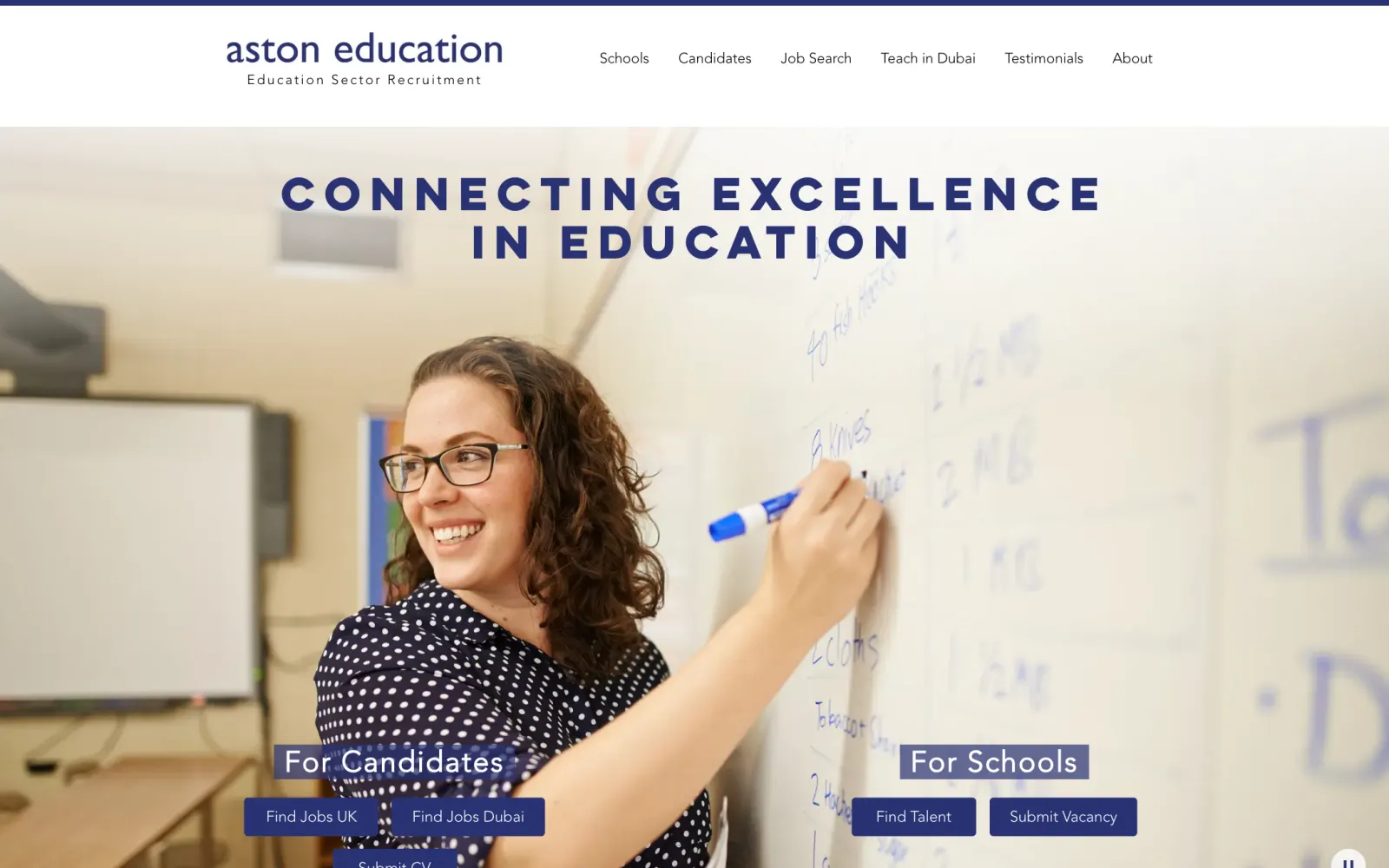
Aston Education Education recruitment
Questions
SEO is the established work of being crawled, indexed and relevant in search results. AEO (answer engine optimisation) and GEO (generative engine optimisation) describe the extra care of making pages clear enough for an AI answer to use as a source. Google says its AI features need ordinary Search eligibility, not a separate trick. Bing says GEO does not guarantee citations.
No. Structured data helps systems interpret a page and can make some Google rich results eligible. Google does not guarantee that correct markup will be shown, and there is no schema type that places a business into an AI answer.
No. It is an optional contents file for tools that choose to fetch it. Google has said Google Search does not use these AI text files, and that publishing one will not help or harm Google rankings. We maintain one on our own site as a curated index, not as a ranking factor.
No. We improve the technical and editorial conditions that make a site understandable. Rankings, citations and recommendations depend on the query, the competition and each product’s own systems.
Yes. We audit and improve existing websites, either in the codebase or by briefing the team that looks after it.
Go deeper
Tell us about the site. Jason will reply personally and say whether an assessment is the right next step.